Аренда аквалангов: common mistakes that cost you money
Аренда аквалангов: Common Mistakes That Cost You Money
You're standing at the dive shop counter, ready to rent scuba gear for your underwater adventure. The employee rattles off prices, and you nod along, eager to get in the water. Fast forward to checkout, and suddenly your bill is 40% higher than expected. Sound familiar?
Most divers hemorrhage cash on rental equipment without realizing it. The difference between smart renters and those who overpay often comes down to understanding two approaches: the "grab and go" method versus the strategic rental approach. Let's break down where your money actually goes—and how to keep more of it in your wetsuit pocket.
The "Grab and Go" Approach: Convenience at a Premium
This is how most recreational divers handle equipment rentals. You show up at the dive shop or resort, take whatever gear they hand you, and deal with the charges later.
What You're Paying For
- Resort convenience fees: Expect to pay 25-35% more than independent dive shops in the same area
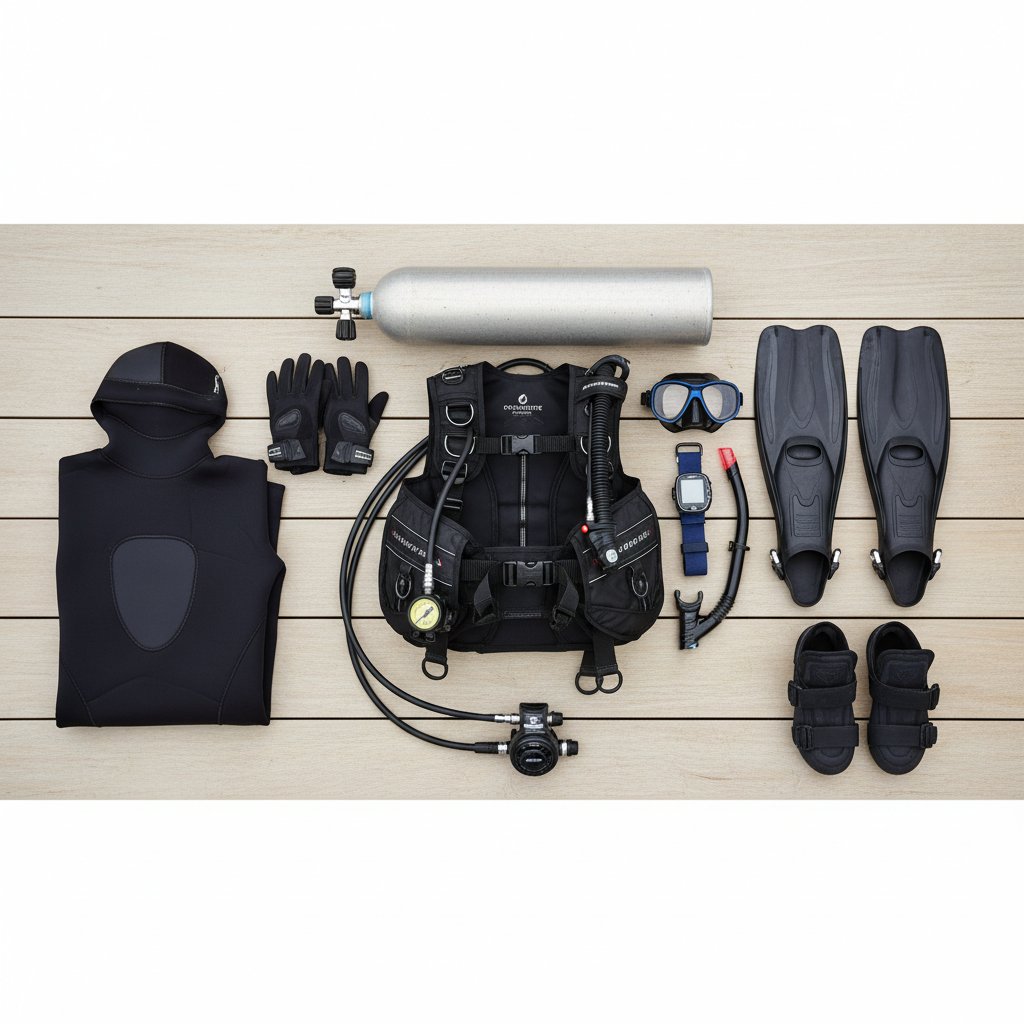
- Complete package deals: Usually $45-75 per day for full gear (BCD, regulator, tank, weights, wetsuit)
- Individual item rentals: Typically $8-15 per piece when rented separately
- Last-minute availability: Premium gear gets snatched up early; you're often stuck with older equipment at the same price
The Hidden Costs
Here's where it gets expensive. That BCD doesn't fit quite right, so you're fighting it all dive. You burn through air 20% faster because you're uncomfortable and overweighted. Now you need an extra tank for the afternoon dive—that's another $12-18. Your three-day trip just added $54 in unnecessary tank rentals.
The ill-fitting wetsuit? You're cold, which means you're burning more air, which means—you guessed it—more tank rentals. One diver I met in Cozumel spent an extra $180 over a week simply because he didn't know he could request better-fitting gear.
Pros of Grab and Go
- Zero planning required
- Everything's in one location
- Easy to add items as needed
- No need to research shops in advance
Cons of Grab and Go
- Paying 30-40% more than necessary
- Lower quality equipment frequently
- Poor fit means wasted air and additional costs
- Hidden fees pile up (damage waivers, late returns, cleaning charges)
- You're locked into one shop's inventory and pricing
The Strategic Rental Approach: Planning Saves Serious Cash
Strategic renters do their homework. They book ahead, compare shops, and understand exactly what they need versus what shops try to upsell.
How It Works
Call or email 3-4 dive shops near your destination two weeks before your trip. Ask specific questions: What's your multi-day rate? Do you offer discounts for booking full gear packages in advance? What brands are your regulators and BCDs? Can I reserve specific sizes?
Most shops drop prices 15-25% for advance bookings. A package that costs $65 walk-in might be $48 with a reservation. Over five dive days, that's $85 in savings.
The Smart Rental Strategy
- Buy your own mask, snorkel, and fins: One-time investment of $150-200 eliminates $15-20 daily rental fees
- Rent regulators and BCDs separately: Skip the wetsuit rental if water's warm (saves $10-15 per day)
- Multi-day packages: Five-day rentals often cost the same as three-day rates
- Off-resort shops: A 10-minute walk can cut costs by 30-50%
Pros of Strategic Rental
- Save 30-50% compared to walk-up pricing
- Reserve premium equipment in your size
- Build relationships with shops for future discounts
- Avoid unnecessary items and upsells
- Better gear fit means better diving and less air consumption
Cons of Strategic Rental
- Requires advance planning (1-2 hours of research)
- Less flexibility if plans change
- May need to travel away from your resort
- Upfront payment sometimes required
Cost Comparison: Real Numbers from a 5-Day Dive Trip
| Expense Category | Grab and Go | Strategic Rental |
|---|---|---|
| Full gear package (5 days) | $325 | $240 (advance booking discount) |
| Personal gear rental | $75 | $0 (owned) |
| Extra tanks (poor fit = more air) | $60 | $0 |
| Damage waiver | $45 | $30 (better care of reserved gear) |
| Total Cost | $505 | $270 |
| Savings with Strategic Approach: $235 (46.5%) | ||
Which Approach Actually Makes Sense?
If you dive once every few years and value convenience above all else, grab and go won't break the bank. Pay the premium, enjoy your vacation, don't stress about it.
But if you dive even twice a year, the strategic approach pays for itself immediately. That $235 savings? It's almost enough to cover another full day of diving. After three trips, you've saved enough to buy your own BCD.
The real mistake isn't choosing one approach over the other—it's not knowing the difference exists. Most divers I've talked to had no idea they were overpaying by 40-50%. They assumed all rental prices were fixed, like buying gas or groceries.
Your move: Before your next dive trip, spend 90 minutes researching rental shops in your destination. Make three phone calls. Send two emails. That's all it takes to keep an extra $200+ in your pocket—money that could fund your next underwater adventure instead of disappearing into inflated rental fees.